There is something quietly impressive about how GWM has embedded itself into the South African automotive landscape. Nineteen years ago, it arrived as an unknown quantity, very much a challenger brand trying to find its footing in a fiercely competitive market. Today, GWM has earned its place by adapting to local tastes and expectations to such an extent that it feels almost native. You see it in the product cadence, in the dealer footprint, and perhaps most tellingly, in the sheer number of vehicles on our roads.
Within the broader story of GWM’s rise in South Africa, Haval has become the brand’s most visible passenger car arm, and the H6 has played a central role in that success. While the smaller Jolion continues to lead the sales charts, the H6 has carved out a loyal following among South Africans who want something that feels substantial, well-built, and thoughtfully styled without venturing into premium pricing territory. It is a vehicle that has matured gracefully over time, refining its formula rather than reinventing it with each update.
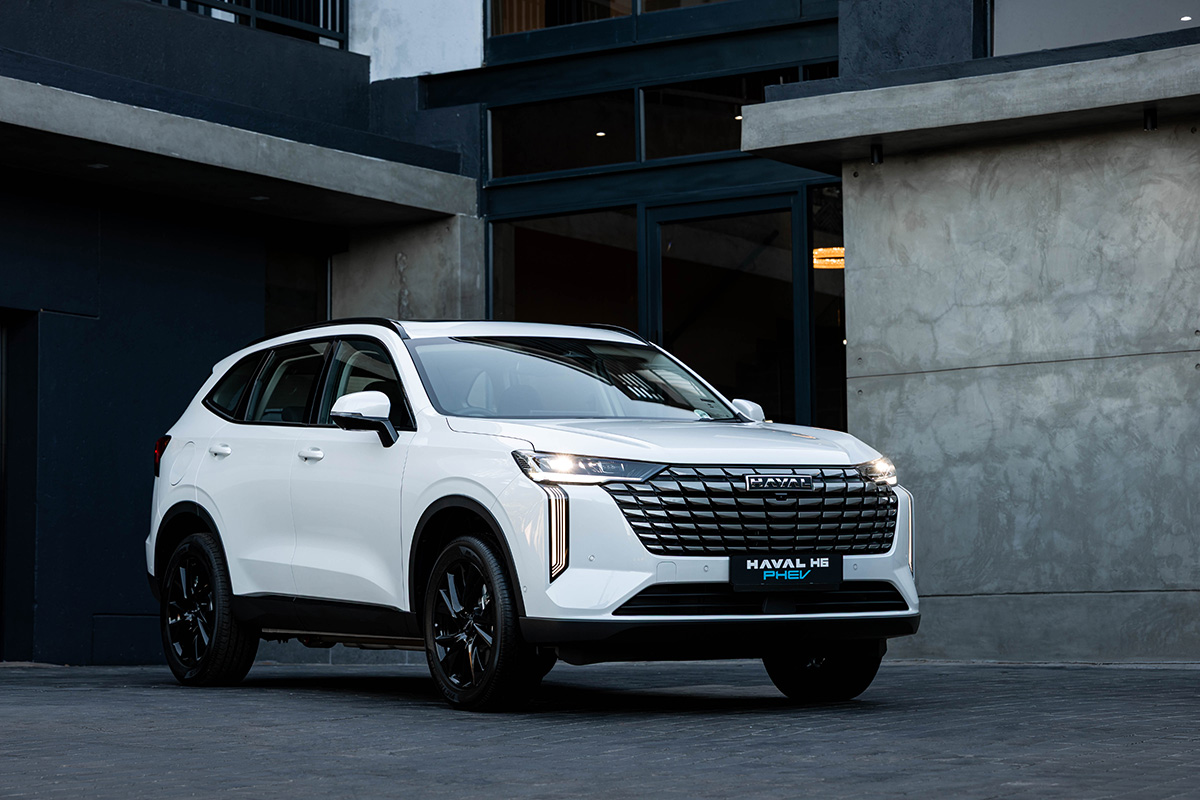
Now, with the introduction of the Haval H6 1.5T plug-in hybrid, the model takes what is arguably its most significant step forward yet.
The H6 PHEV range is offered locally in two configurations, both wearing the Ultra Luxury badge but aimed at slightly different buyers.
The front-wheel-drive derivative pairs the 1.5-litre turbocharged petrol engine with a single electric motor, producing a combined 240 kW and 540 Nm. It already represents a meaningful step up over the conventional hybrid, delivering stronger performance without compromising its efficiency focus.
The all-wheel-drive Hi4 derivative introduces a second electric motor on the rear axle, lifting total output to 268 kW and 760 Nm. Beyond the numbers, the addition of rear axle electrification improves traction and delivers a more immediate response under load. It feels more assured when accelerating and more composed when the road or conditions demand a bit extra.
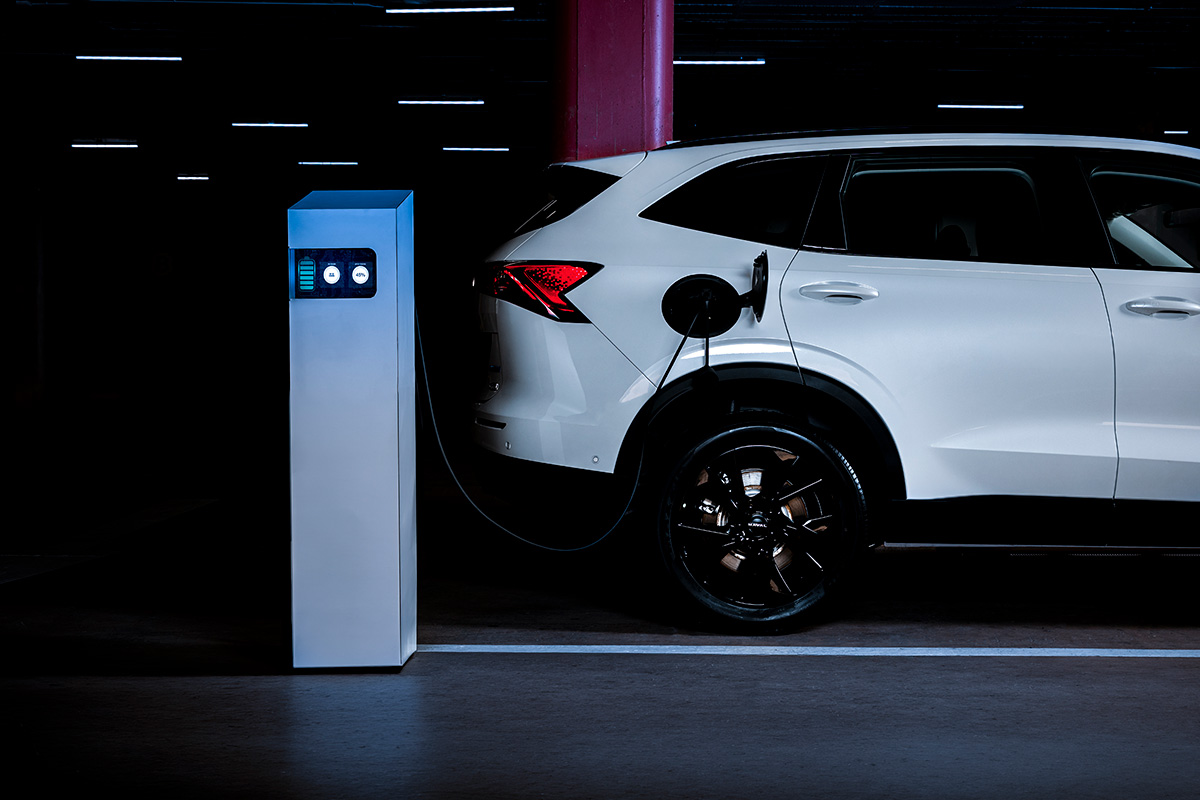
Both derivatives share a 19.09 kWh battery pack, with a claimed electric range of just over 100 km. That parity means buyers are not forced to choose between performance and efficiency. The core benefit of the PHEV system remains intact across the range.
DRIVETRAIN THAT CLICKS
The H6 PHEV builds on Haval’s DHT hybrid system, making the entire drivetrain feel more cohesive. There is a noticeable increase in power and torque, which translates into stronger, more immediate responses when pulling away from a standstill or overtaking at highway speeds. Where some hybrids can feel hesitant in these moments, the H6 PHEV delivers its performance with a reassuring sense of clarity.
It is this absence of uncertainty that stands out. The transition between electric and petrol power is smooth and largely imperceptible, and the additional electric muscle fills in the gaps that you might otherwise notice in a conventional hybrid. The result is a drivetrain that feels both more refined and more capable, without sacrificing efficiency.
The efficiency improvements are equally noteworthy. The ability to run in electric mode for extended periods can dramatically reduce real-world fuel consumption, particularly for drivers who charge regularly. Even when operating as a hybrid, the system blends power sources to prioritise economy without requiring constant driver input.
This duality is what makes plug-in hybrids so compelling in South Africa’s current landscape. They offer a taste of fully electric driving without the range anxiety or infrastructure concerns that still accompany EV ownership for many buyers.
From a pricing perspective, the H6 PHEV lands in a very strategic position. Starting at just under R700,000, it undercuts many traditional plug-in hybrid offerings while offering a level of specification that has become a hallmark of the Haval brand.
This value proposition is difficult to ignore. For many buyers, the decision to move into electrified motoring has been held back by cost considerations. Fully electric vehicles remain expensive, and even hybrids from established brands often command a noticeable premium. The H6 PHEV narrows that gap to the point where it becomes a genuinely viable alternative to both conventional petrol SUVs and self-charging hybrids.
More importantly, it does so within a framework that South Africans already trust. GWM’s extensive dealer network and growing reputation for aftersales support provide a level of reassurance that newer entrants to the market are still working to establish.
Seen in that light, the launch of the H6 PHEV is about more than just adding another derivative to the range. It is a clear signal of intent. Haval is positioning itself to take the next step in South Africa’s gradual shift towards electrification, supported by a product that feels complete and well judged.

THE VALUE ARGUMENT
The H6 PHEV continues along the same interior trajectory that has defined the broader range, with a specification level that remains one of its strongest selling points.
A 14.6″ infotainment touchscreen takes centre stage, paired with a fully digital instrument cluster and wireless smartphone integration. The move to a column-mounted gear selector frees up space on the centre console, giving the cabin a cleaner and more modern layout.
Material quality remains impressive for the segment, with soft-touch surfaces and a solid sense of build throughout. Features such as a panoramic sunroof, powered tailgate, voice control, and a full suite of driver assistance systems form part of the package, reinforcing the H6’s reputation for offering more than expected at its price point.
Importantly, the technology does not overwhelm the experience, as GWM has successfully (and to great relief) avoided the driver-aid warning trap that other brands step into constantly. The layout remains intuitive, rear seat comfort is well considered, and overall usability has not been sacrificed in the pursuit of a more digital cabin.
LAST WORD
Within the H6 line-up, the PHEV stands out as the most resolved derivative. It combines a meaningful electric range with a noticeable performance uplift, while maintaining a price point that remains within reach for a broader audience. It is the version that brings the entire H6 proposition into sharper focus.
If anything, it highlights just how far GWM has come. From its early days as a challenger brand to its current position as a fully established player, the journey has been marked by a willingness to adapt and evolve.
Report by BERNIE HELLBERG JR | Images © GWM SOUTH AFRICA