The Japan Mobility Show has never been shy about imagining the future, but 2025 felt different – less fantasy, more near-production intent. What used to be a parade of shiny dream cars has evolved into a working showcase of brand strategy, new sub-brands, and practical electrification, all wrapped in Japanese craft and attention to detail.
At this year’s Japan Mobility Show, held at Tokyo’s Big Site, the big themes for most manufacturers were clear – a push towards uniquely Japanese luxury, bolder concept cars that could realistically reach showrooms, and mass-market models borrowing technology from premium relatives.
At a time when most large-format European motor shows have either scaled down significantly or ceased to exist altogether, the Japan Mobility Show remains a vital barometer of design direction, of what the majors believe customers will pay for, and of how quickly Japan plans to move from concept to dealer forecourts.
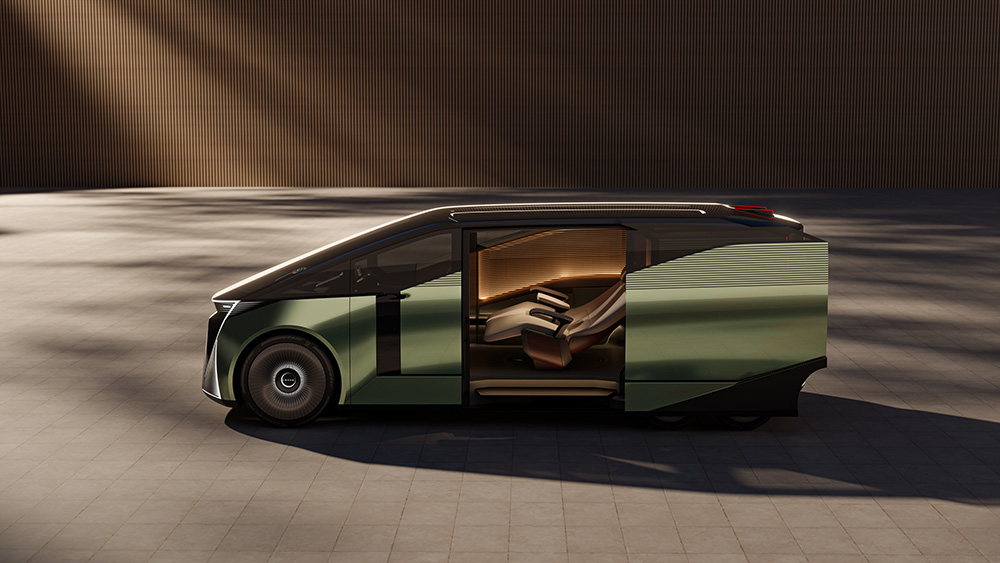
LEXUS LS CONCEPT
Space As the New Luxury
The Lexus LS Concept redefines flagship motoring with its extraordinary six-wheel-drive layout. Designed as a luxury minivan, it showcases Lexus’ vision of a future where space itself becomes the ultimate expression of comfort. Seating six occupants in lounge-like serenity, it focuses on redefining personal mobility rather than previewing a production model. The LS badge here stands for “Luxury Space”, signalling a philosophical shift away from the traditional limousine format. With its expansive cabin, meticulous materials, and an emphasis on serenity in motion, the LS Concept represents Lexus at its most exploratory – not chasing performance figures, but the feeling of unhurried, crafted travel.

TOYOTA RAV4
Evolution with South African Appeal
The Toyota RAV4, a long-standing star in Toyota South Africa’s lineup, is set to redefine its legacy with the sixth-generation model unveiled in Tokyo. Scheduled to hit the local market in the second quarter of 2026, the new RAV4 boasts a sharper, more upscale design inspired by the latest Lexus aesthetics. The interior has been upgraded with premium materials, and the cabin now exudes a more connected and tech-savvy vibe. With the introduction of hybrid and plug-in hybrid variants, the RAV4 promises enhanced efficiency, while its refined dynamics are sure to make it a more versatile family SUV. Toyota’s mission is crystal clear: to maintain the RAV4’s popularity while infusing it with a dash of aspirational elegance that will appeal to a broader audience.

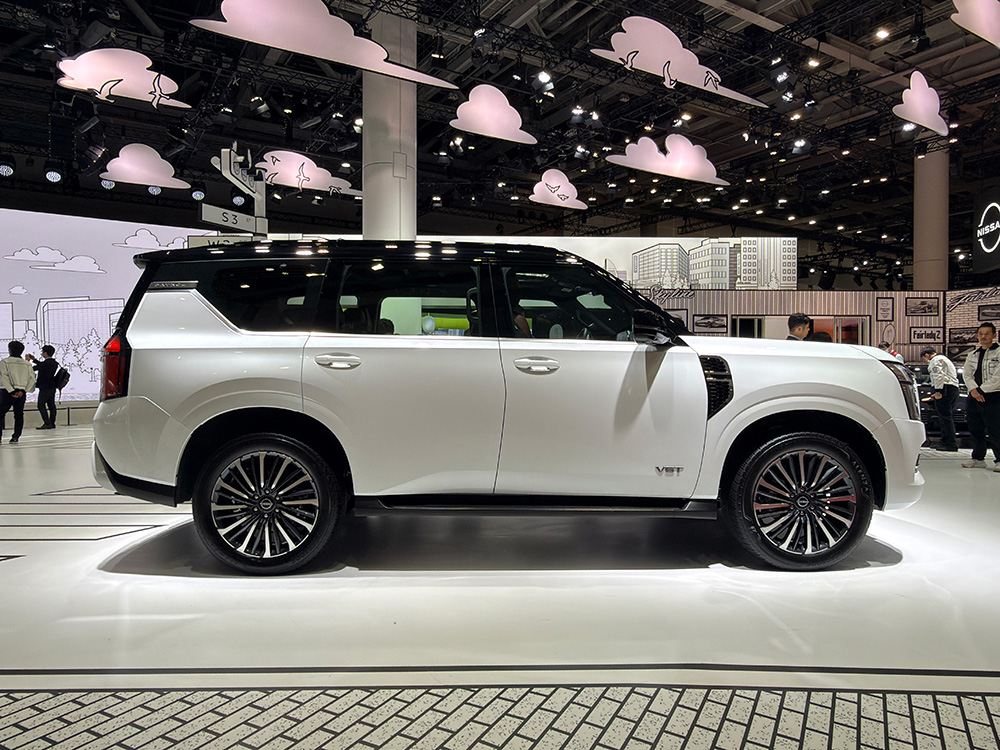
NISSAN PATROL
Traditional Muscle with Modern Manners
The latest Nissan Patrol stays true to its roots as a go-anywhere bruiser, but the updates revealed in Tokyo show a concerted effort to modernise its manners. Expect improved refinement, a quieter cabin, and a more sophisticated suite of driver-assistance technologies. The interior now features upgraded materials and a fresh infotainment interface, bringing the big SUV in line with its luxury-oriented rivals. Under the skin, the Patrol still delivers profound off-road ability, but it now pairs that toughness with a smoother, more composed ride – exactly what’s needed for its next chapter.
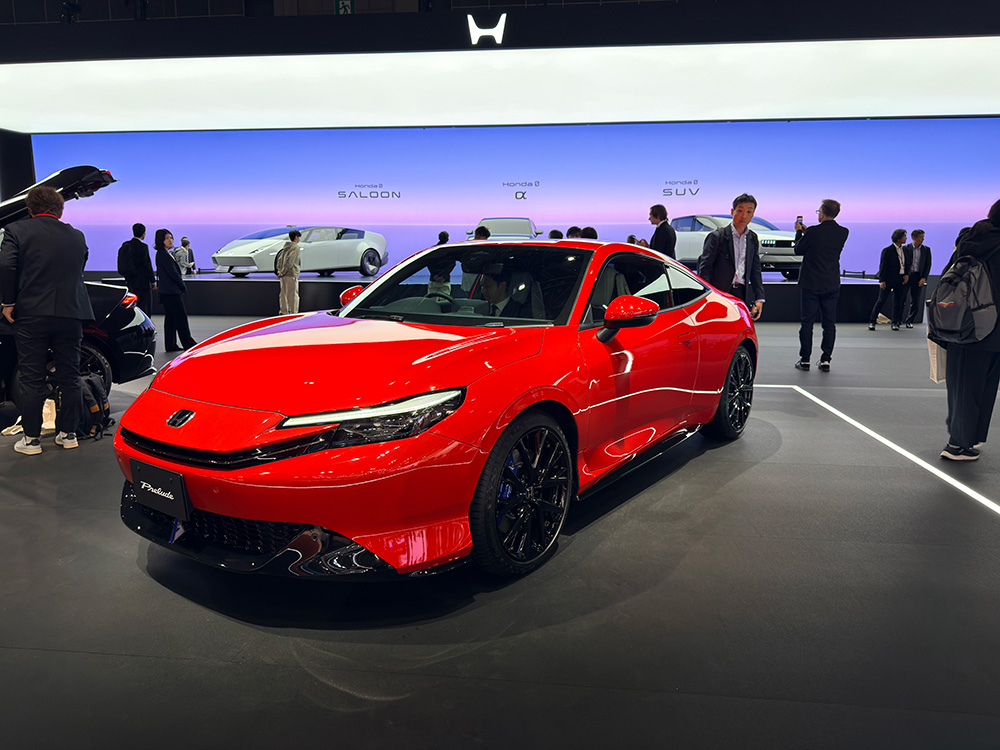
HONDA PRELUDE
A Classic Name Reborn
Honda’s revival of the Prelude badge drew plenty of smiles. The sleek coupe concept isn’t a nostalgic replica but a modern reinterpretation built around driving engagement and balance. Compact, low, and elegant, the Prelude Concept embodies Honda’s enduring belief in driver connection. Electrified yet sporty, it focuses on chassis feel and precision rather than headline-grabbing performance figures. It’s a deft piece of brand storytelling – reviving a revered name to anchor Honda’s next era of emotionally engaging, efficient motoring.
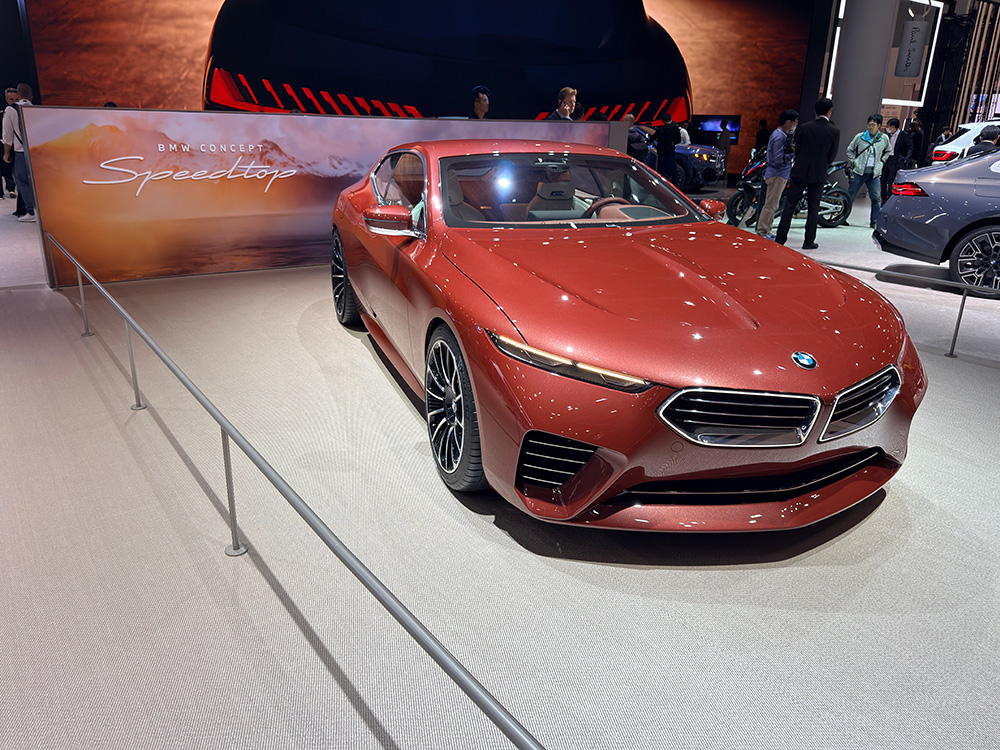
BMW CONCEPT SPEEDTOP
The Reimagined Grand Tourer
BMW’s Concept Speedtop is not a convertible, as its name might imply, but rather a two-door shooting-brake-style GT designed to celebrate hand-crafted exclusivity. With its long roofline, muscular stance, and precision detailing, the Speedtop blends classic BMW proportions with modern minimalism. It’s intended as a collector’s piece, built in limited numbers, showcasing the brand’s craftsmanship and dynamic DNA. More sculpture than show car, it represents BMW’s desire to push its design and engineering into small-series, emotionally charged projects that reconnect enthusiasts with the tactile pleasure of grand touring.
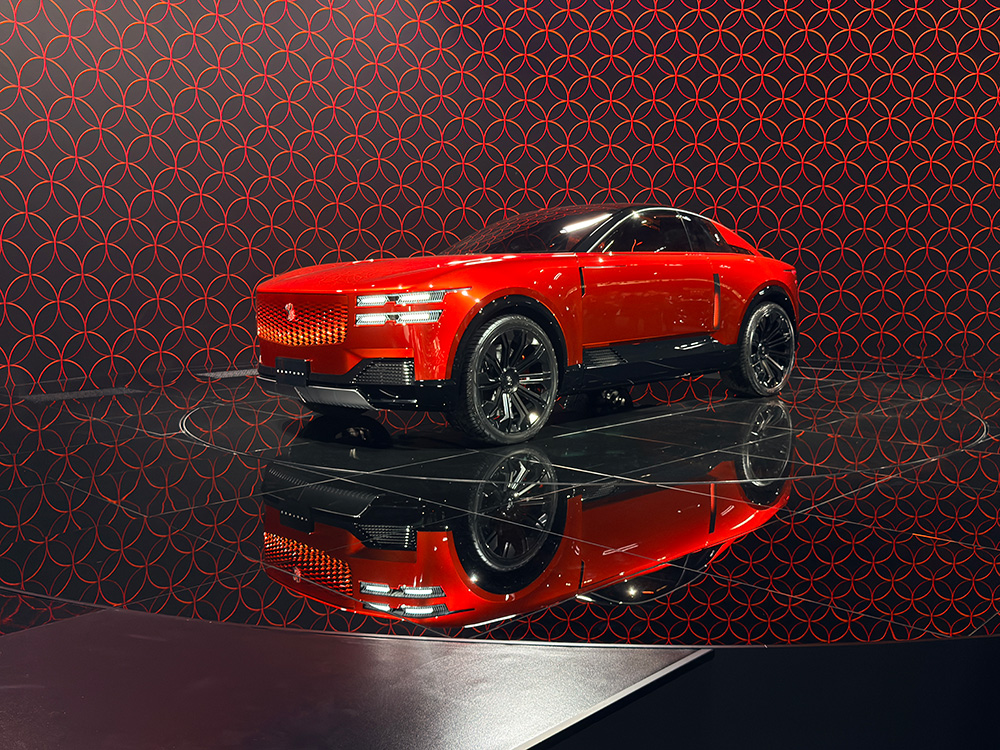
CENTURY
A New Chapter for Japanese Ultra-luxury
Toyota’s decision to transform the Century into a standalone brand may be the most significant strategic development of the show. Long revered in Japan as a symbol of discreet luxury, the Century will now operate independently, offering bespoke, limited-run vehicles that prioritise craftsmanship over scale. Expect hand-assembled interiors, traditional Japanese materials, and meticulous attention to detail. It’s a bold move that gives Toyota a seat at the ultra-luxury table, while allowing Lexus to explore new creative freedoms beneath it.

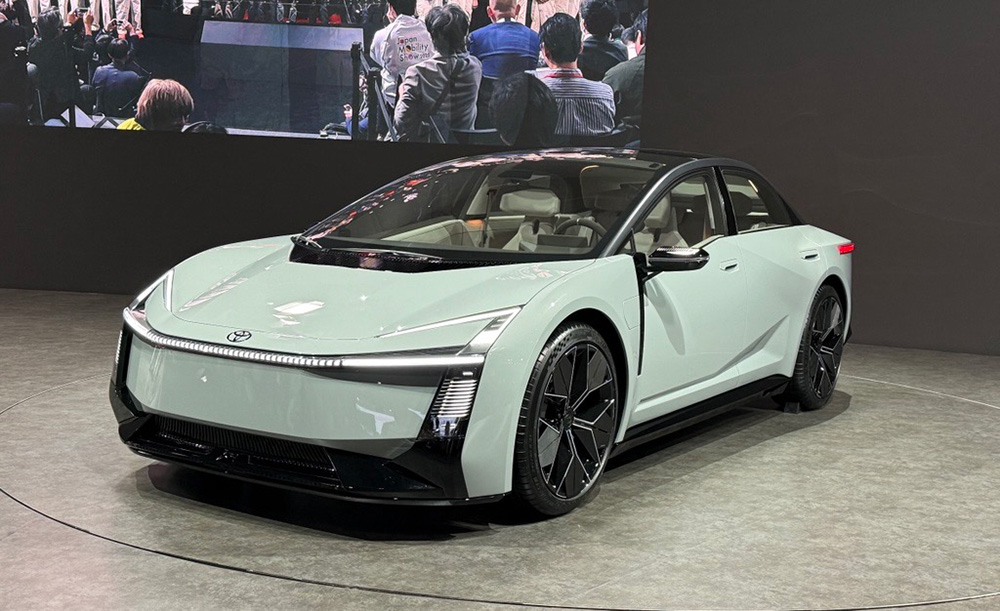
TOYOTA COROLLA CONCEPT
Elevating Compact Luxury
Toyota’s Corolla Concept proves that compact doesn’t have to mean conservative. The sleek, athletic proportions and expressive styling signal a stronger emotional direction for the world’s best-selling car. Inside, the concept features high-quality finishes and a focus on driver-centric design, underscoring Toyota’s intent to inject more character into its bread-and-butter models. The next generation of Corolla looks set to combine efficiency and reliability with a more playful, youthful edge – a necessary step if Toyota wants to keep the model as relevant as its sales figures suggest.
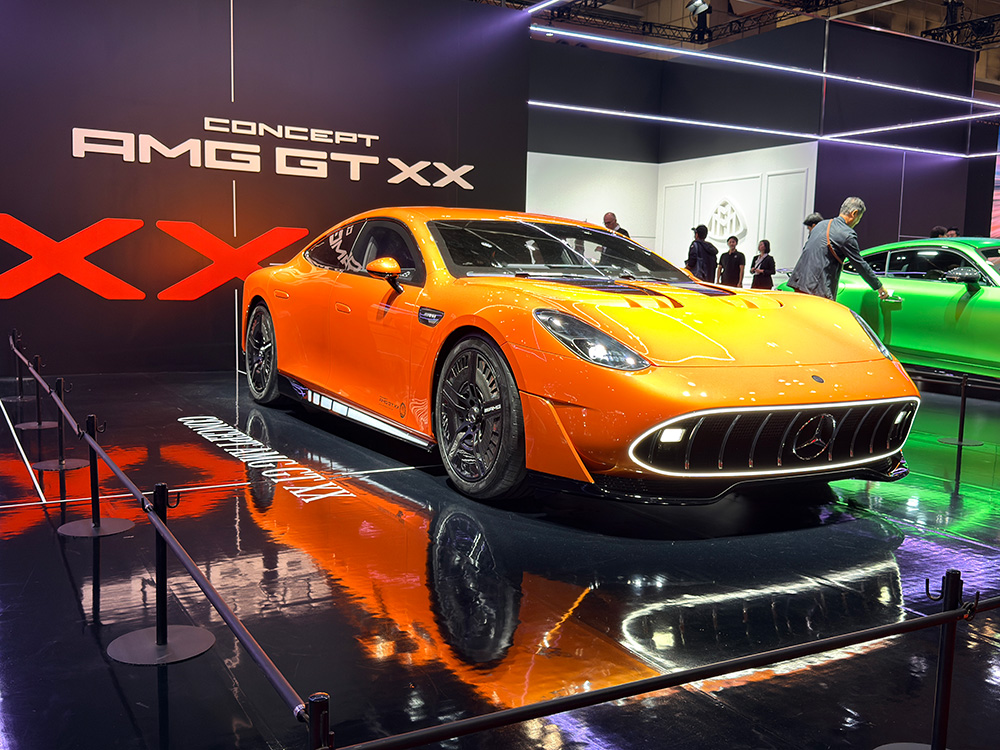
MERCEDES-AMG GT XX CONCEPT
Performance as Theatre
The Mercedes-AMG GT XX Concept was pure drama – all sculpted carbon, active aero, and technological provocation. Designed to preview the next generation of AMG thinking, it blurs the line between performance car and experimental prototype. The cabin centres entirely around the driver, and every vent, fin, and crease serves both an aerodynamic and aesthetic purpose. It’s a statement of intent that AMG’s future won’t simply be about brute force alone, but about controlled, intelligent performance wrapped in visual theatre.

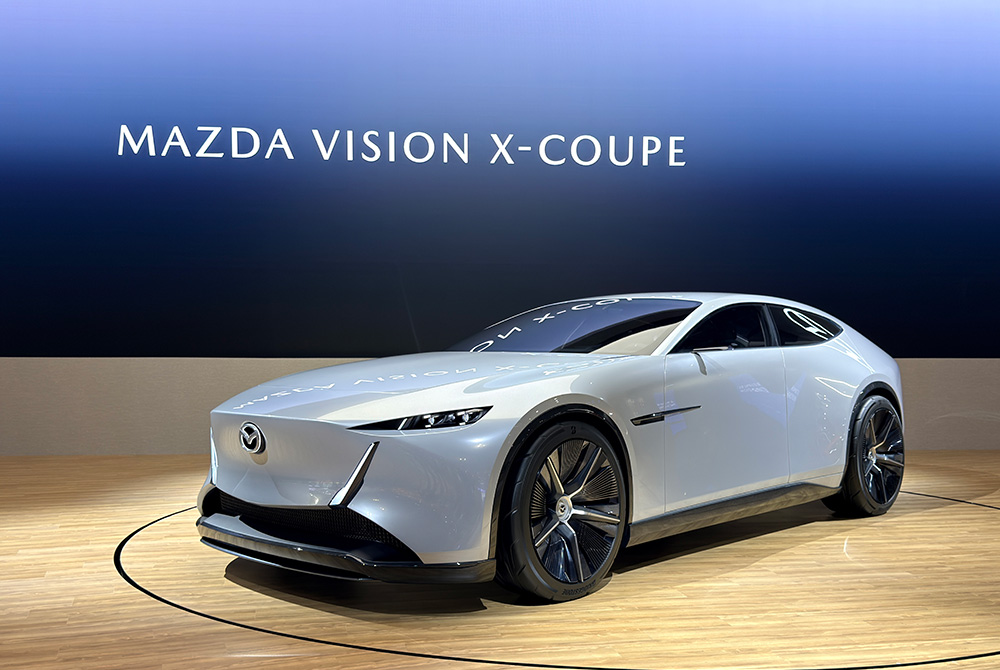
MAZDA VISION X-COUPÉ CONCEPT
Purity of Form and Purpose
Mazda’s Vision X-Coupé Concept continues the brand’s journey toward minimalist, emotionally resonant design. Every surface appears considered, every line deliberate. The cabin focuses on human-machine harmony, with tactile materials and ergonomics tuned to heighten driver comfort and connection. Rather than chasing the latest tech trends, Mazda’s approach is to refine the essentials – steering feel, balance, and proportion. The Vision X-Coupé isn’t about making a statement; it’s about rediscovering the art of simplicity in motion.
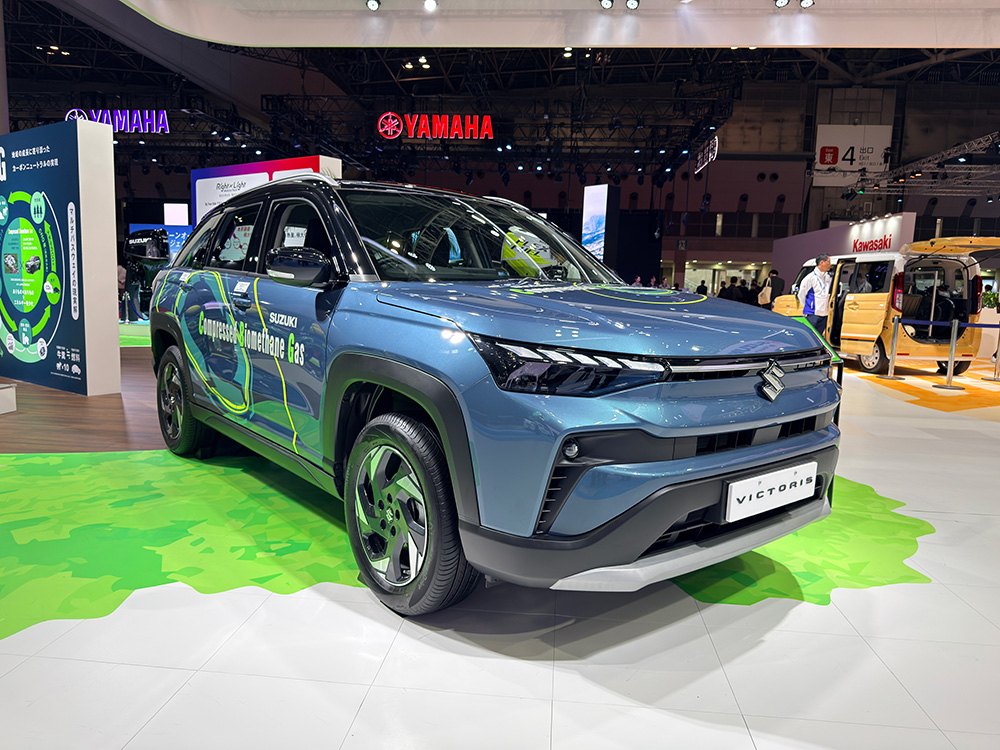
SUZUKI VICTORIS
Flagship Dreams Turning Into Reality
Suzuki’s Victoris concept hints at a brand ready to move upmarket. The mid-sized SUV brings a level of sophistication not typically associated with Suzuki – advanced driver assistance systems, a premium infotainment suite, and a design language that leans more towards elegance than economy. Though official confirmation is still pending, the Victoris is widely expected to arrive in South Africa as Suzuki’s new range-topper. If it does, it could mark a pivotal step in reshaping Suzuki’s local image from value-driven to aspirational.
Report & Images by BERNIE HELLBERG JR