



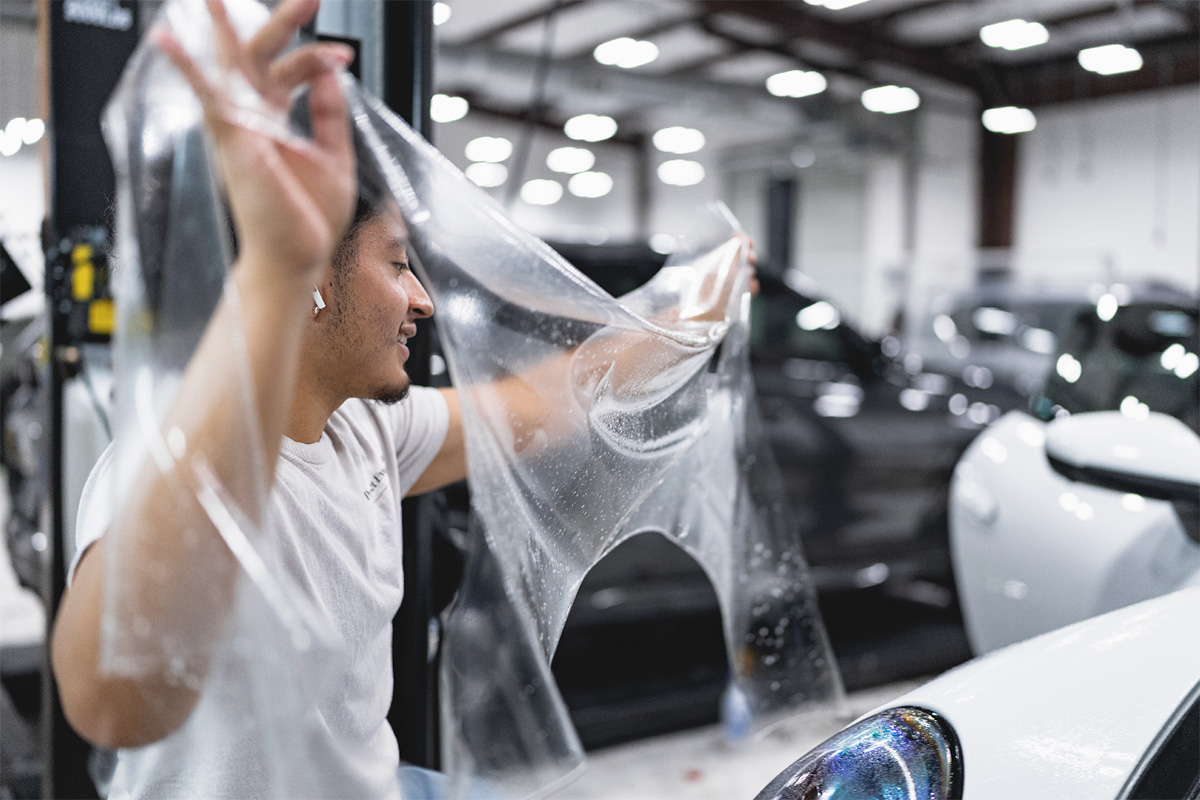
Paint Protection Film (PPF) and ceramic coatings have become increasingly popular among South African motorists looking to preserve the appearance and value of their vehicles. While these products both serve different purposes, they are often grouped together and marketed in much the same way. According to XPEL South Africa, understanding the differences between products and how they are applied is just as important as deciding to have PPF or a Ceramic Coating applied in the first place.
The science behind Paint Protection Film products can be surprisingly complex, with factors such as film construction, adhesives, installation techniques and ongoing maintenance all influencing long-term performance. Choosing the right solution requires more than comparing prices. The quality of the product, the skill of the installer and the technology behind it all play a significant role in determining whether your investment protects your vehicle or ends up being an expensive mistake.
IT’S NOT JUST ABOUT THE FILM
Applying PPF is a highly specialised skill that requires training, experience and precision. Even the best film can produce disappointing results if it’s poorly installed, while a lower-quality product may initially look good before problems begin to appear.
XPEL attributes much of its global success to installer training. The company has invested heavily in manufacturer-approved training programmes and technical support, believing that even the most advanced film can only perform as intended when installed correctly.
As with any specialised trade, choosing an experienced installer is essential. The fitment process demands an understanding of modern vehicle paint systems, film behaviour and installation techniques. Poor workmanship can result in lifting edges, visible joins, trapped contamination and even damage to paintwork during installation or removal.
Before committing, ask what product is being used, whether the installer has received manufacturer-approved training and whether the installation is backed by a meaningful warranty.
UNDERSTANDING THE TECHNOLOGY
One of the most misunderstood aspects of PPF is film thickness. While thicker films generally provide greater protection against stone chips and road debris, thickness alone doesn’t determine quality. The adhesive layer, polyurethane construction and clear top coat all contribute to the film’s overall performance.
A quality adhesive should be strong enough to keep the film securely in place during an impact, yet still allow safe removal years later without damaging the paint beneath. Likewise, the top coat plays an important role in resisting stains, chemicals and UV exposure while providing the self-healing properties found on many premium films.
If an installer makes claims about film thickness, ask to see the Technical Data Sheet (TDS). Importantly, the quoted thickness should refer only to the installed film and not include the protective release liner or cap sheet, both of which are removed prior to installation.
XPEL has consistently been at the forefront of PPF development. The company introduced one of the industry’s first self-healing films in 2011 and continues to refine its products through ongoing research and development. Today, its range includes films of varying thicknesses and finishes, from its OEM-approved Ultimate Plus range to Stealth matte PPF and colour-infused films, allowing customers to choose a solution that best suits their vehicle, budget and driving conditions.
PRE-CUT OR CUSTOM FIT?
Modern PPF installations generally fall into one of two categories: pre-cut patterns or bulk installations.
Pre-cut systems use digitally designed templates that match individual vehicle panels, allowing installers to fit the film without cutting directly on the vehicle. This significantly reduces the risk of accidental paint damage while delivering consistent results.
XPEL pioneered one of the world’s first digitally pre-cut pattern systems and continues to develop its proprietary Design Access Program (DAP), which is used by installers and vehicle manufacturers around the world. Because the software is developed specifically for XPEL films, it takes into account the material’s stretch characteristics, adhesive properties and installation requirements to achieve a precise fit.
Bulk or custom installations involve applying larger sheets of film before trimming them by hand. When performed by an experienced technician, this method can deliver excellent coverage. However, because cutting takes place on or around the vehicle, it requires exceptional skill and should only be carried out by highly trained professionals.
Some installers also remove trims, badges, or body panels to hide film edges. While this can create a cleaner appearance, it also introduces the possibility of damaged clips, altered panel alignment or unnecessary disturbance of the vehicle’s original factory assembly. Whether this approach is worthwhile often comes down to personal preference, provided it is carried out correctly.
LOOKING AFTER YOUR INVESTMENT
Discolouration is one of the most common concerns among vehicle owners, but according to XPEL, there is rarely a single cause.
While premium films are designed to resist yellowing, incorrect cleaning chemicals, incompatible ceramic coatings, prolonged exposure to contaminants, and even storing a damp vehicle beneath a car cover can all contribute to staining over time. Lower-quality films may also use inferior clear coats that deteriorate more quickly under prolonged UV exposure.
This is why XPEL recommends using cleaning products specifically approved for PPF and following the manufacturer’s maintenance guidelines. Regular washing also helps prevent dirt and environmental contaminants from becoming embedded in the film’s surface.
Like automotive paint itself, PPF requires routine care. No protective film is completely maintenance-free.
QUESTIONS WORTH ASKING
Before investing in PPF, it’s worth asking a few important questions:
- Which brand of film is being installed?
- Can the installer provide the product’s Technical Data Sheet?
- Has the installer received manufacturer-approved training?
- Is the installation covered by a recognised warranty?
- Will pre-cut patterns or hand trimming/cutting be used?
- What maintenance products are recommended after installation?
The answers will often tell you far more than the price alone.
LAST WORD
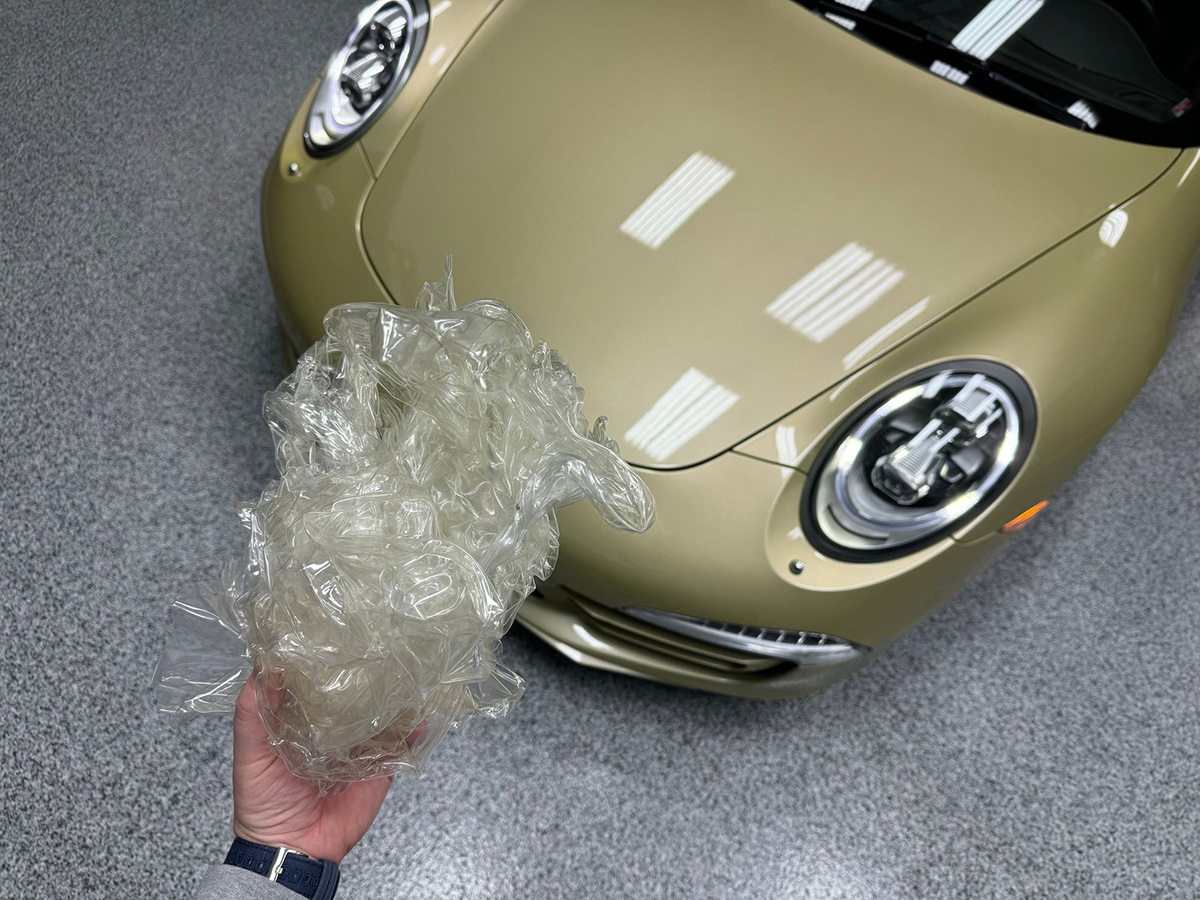
A professionally installed, high-quality Paint Protection Film can help preserve a vehicle’s finish, reduce repair costs from everyday stone chips and maintain resale value over the long term. However, the film itself is only part of the equation.
XPEL believes that choosing a reputable installer is every bit as important as selecting a premium product. With a global reputation built on innovation, research and installer training, the company has helped shape many of the technologies now considered standard within the PPF industry.
As with most things in the automotive world, buying on price alone can prove costly in the long run. Taking the time to choose a reputable installer and a proven product from an established manufacturer such as XPEL is the best way to ensure your vehicle receives the protection it deserves.
Supplied by XPEL SOUTH AFRICA

