



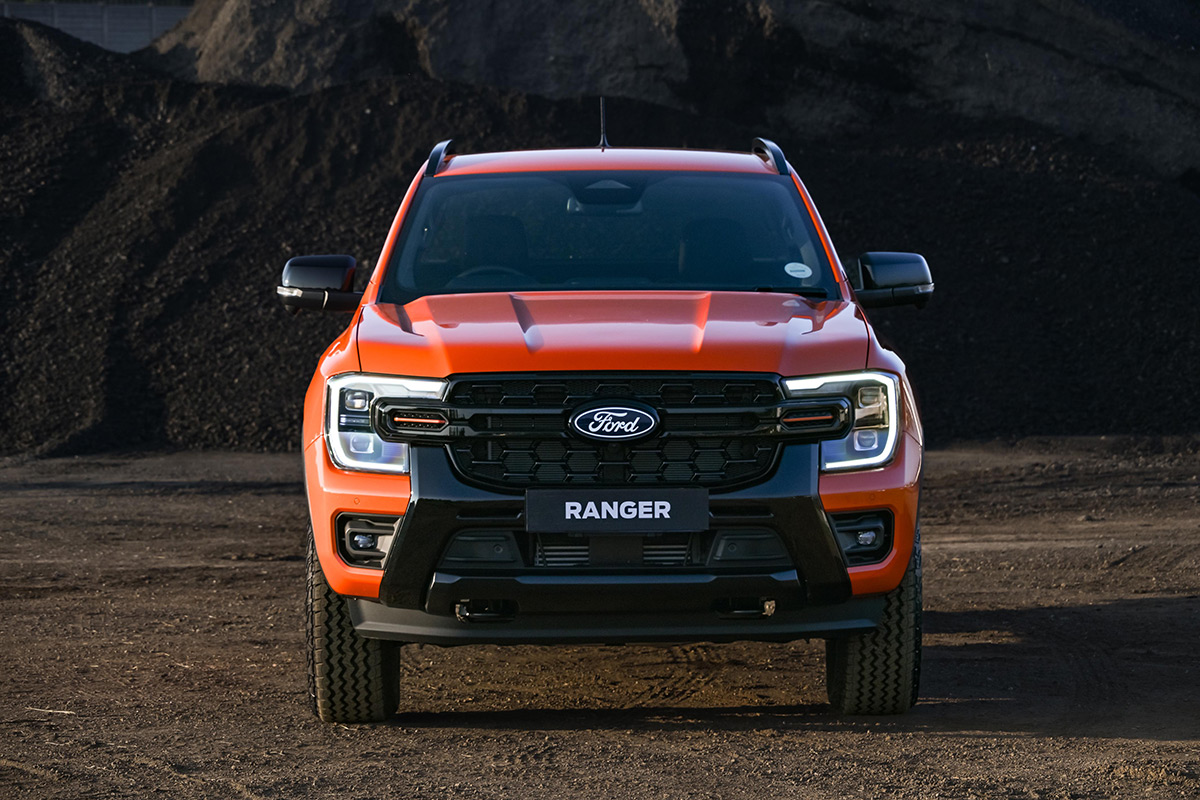
The Ford Ranger Wildtrak has traditionally made its name on diesel power, so slotting a 2.3-litre turbocharged petrol engine beneath its bonnet changes the conversation. With 222 kW and 452 Nm on tap, the EcoBoost gives one of South Africa’s most recognisable leisure bakkies a very different character.
Ford has given the Ranger line-up a significant shake-up for 2026, but arguably the most interesting development is the introduction of the 2.3-litre EcoBoost petrol engine. In a country where diesel and double-cab bakkies have traditionally gone hand in hand, a petrol-powered Wildtrak immediately makes things interesting.
South Africans use their bakkies for just about everything. They work, tow, travel, tackle the rough stuff and increasingly perform the duties once reserved for family SUVs. The Ranger has been particularly successful at bridging those worlds, and the EcoBoost adds another dimension to an already versatile package.
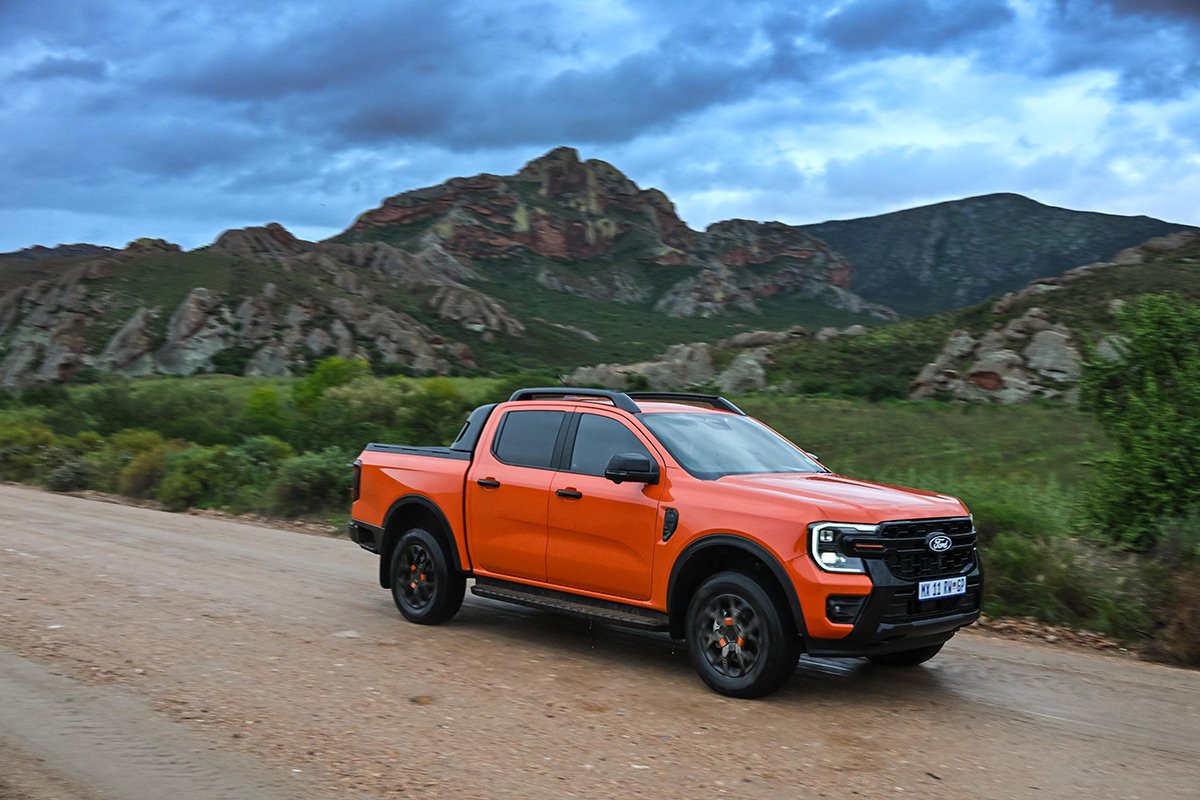
Visually, the Wildtrak had little chance of disappearing into a parking lot. Ignite Orange is exactly as its name suggests, bright, bold, and particularly well suited to the Ranger’s muscular proportions. The familiar C-clamp lighting signature, imposing grille and squared-off body remain. At the same time, the Wildtrak treatment gives it enough attitude to separate it from the working end of the Ranger family.
As has become something of a habit whenever I get my hands on a Ranger fitted with the adjustable rear sports hoop, I slid it all the way towards the tailgate. To my eyes, it gives the rear an almost spoiler-like finish and makes an already good-looking bakkie a little bit sportier.
The only thing missing was my reflector vest. Rangers have become such a familiar sight on construction sites that I might as well have looked the part.
CABIN IMPRESSIONS
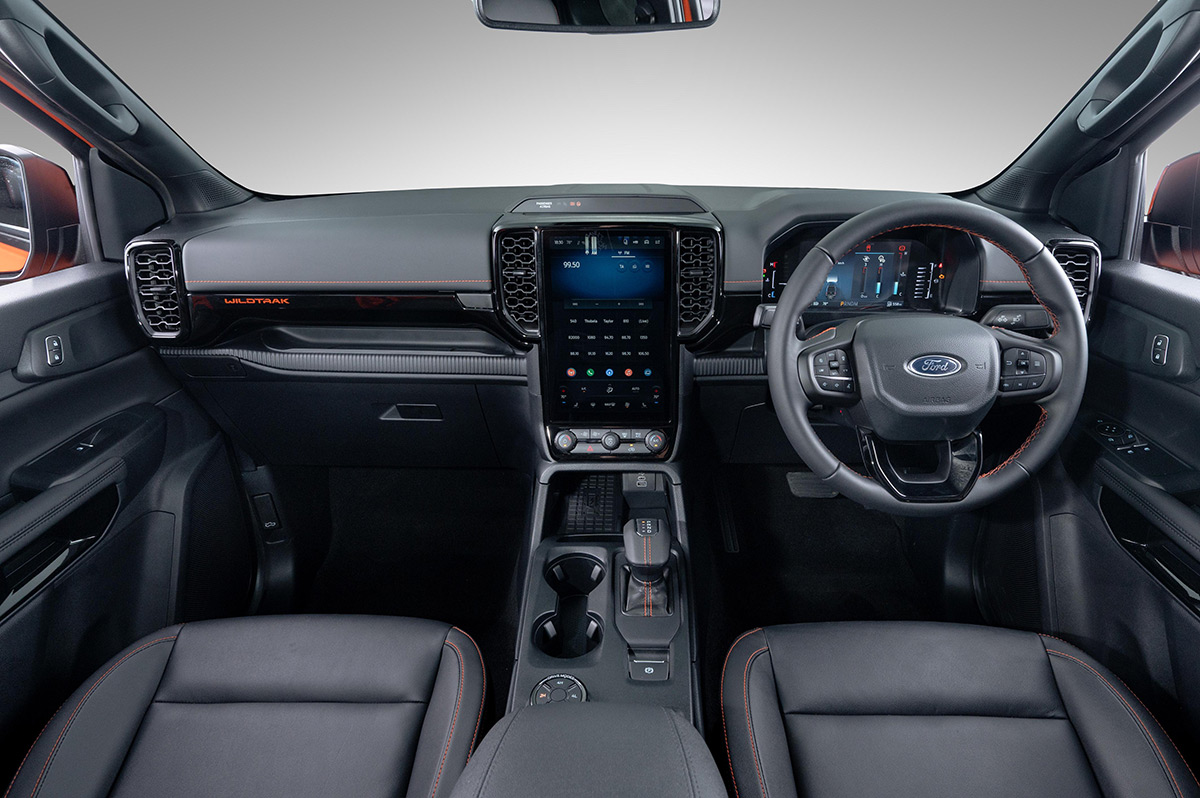
Step inside, and the Ranger continues to show how far the modern double cab has moved from its workhorse origins. The Wildtrak’s cabin doesn’t feel out of place in a well-appointed SUV, with a commanding driving position, quality finishes, and Ford’s large portrait-oriented infotainment display dominating the dashboard.
The technology is extensive without making the cabin unnecessarily complicated. The 360-degree camera was particularly useful during our time with the Ranger, especially when squeezing something of its proportions into tighter parking spaces. Light steering further reduces the intimidation of navigating shopping centres and the school run.
Passenger accommodation is generous, with enough room in the rear to make family duties relatively painless. That dual-purpose ability remains one of the Ranger’s greatest strengths. One moment it looks ready for a construction site, the next it is carrying kids and school bags without anyone feeling as though they are travelling in a work vehicle.
A DIFFERENT KIND OF WILDTRAK
Under the bonnet sits a 2.3-litre four-cylinder EcoBoost turbopetrol producing 222kW and 452Nm, paired with Ford’s familiar 10-speed automatic transmission.
Fire it up, and the difference from the diesel Wildtraks we have become accustomed to becomes apparent. The EcoBoost is smooth, quiet and considerably happier to rev, giving this rather substantial double cab an unexpectedly lively character.
While the 3.0-litre V6 turbodiesel counters with a meatier 600 Nm, the EcoBoost brings its own flavour to the party. Lean into the accelerator, and the 222 kW gathers the kind of speed that sometimes makes you forget just how much Ranger is following behind you.
The 10-speed automatic generally works well with the engine, shuffling through its many ratios to keep the EcoBoost in its sweet spot. Overtaking feels urgent, and the mid-range makes for relaxed highway driving, while the quieter petrol engine adds to the overall sense of refinement.
PETROL COMES AT A COST
Of course, 222 kW of turbocharged petrol power in a double cab was never going to run on fresh air.
Ford quotes combined consumption of around 9.3 l/100 km, but our predominantly short-distance routine was hardly the ideal environment for chasing an economy figure. Frequent stops, school traffic, and quick errands seldom let the engine settle into the sort of relaxed highway cruise where consumption can start moving in the right direction.
And that became the inevitable trade-off of living with the EcoBoost. A turbodiesel remains difficult to beat if outright fuel economy, towing or long-distance cruising sit at the top of your requirements. Still, the petrol engine counters with smoothness, responsiveness and a willingness to rev that fundamentally changes the Wildtrak’s character.
It feels less agricultural and considerably more energetic, with an almost SUV-like refinement from behind the wheel. More importantly, the petrol engine does not feel like an experiment squeezed into a platform designed around diesel. It feels properly integrated into the Ranger package.
LAST WORD
The Ranger Wildtrak was hardly short of personality before Ford dropped a 222 kW EcoBoost engine under its bonnet. Finished in Ignite Orange, with the sports hoop pushed towards the tailgate, it certainly looked the part, even without the reflector vest. The petrol engine adds impressive refinement and a surprising turn of speed, although the filling station will inevitably become a more familiar acquaintance. Diesel may remain the traditional bakkie choice, but after living with the EcoBoost Wildtrak, doing things differently can be a lot more fun.
Report by BRYAN KAYAVHU | Images © FORD SOUTH AFRICA

