



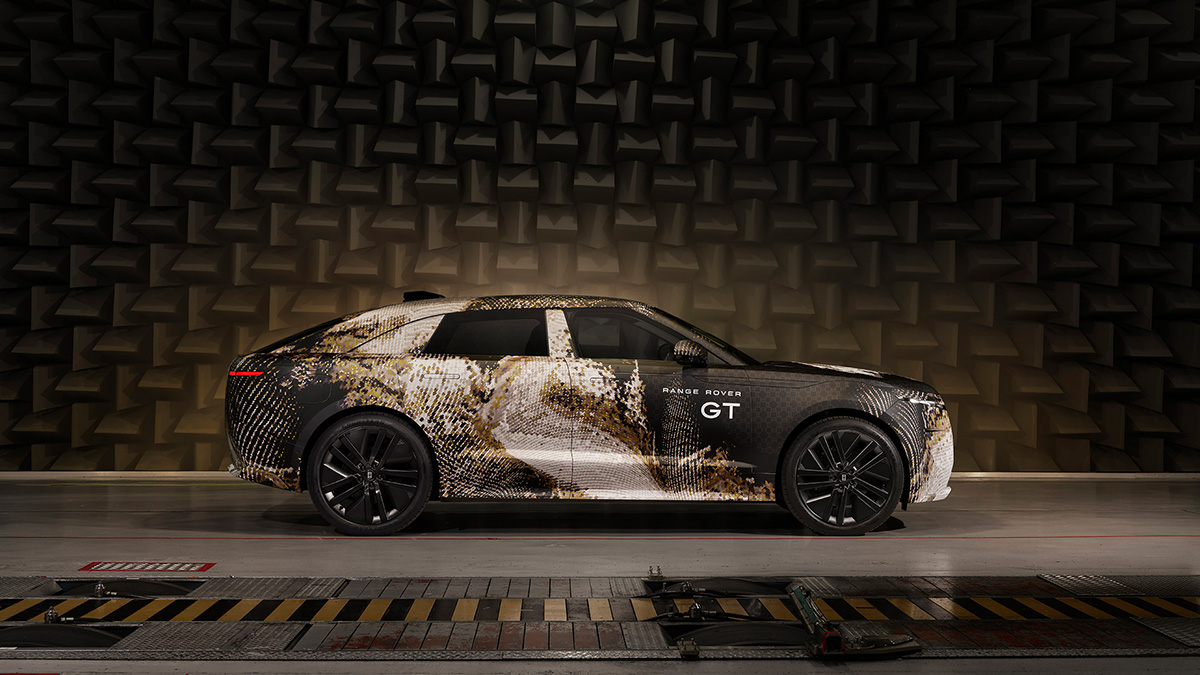
RANGE ROVER GT
The Electric Grand Tourer Arrives
Range Rover has introduced its fifth model line, the all-electric Range Rover GT – a sleek grand tourer that combines high-performance electric power with classic off-road capability. Breaking away from its traditional SUV styling, prototype models show a coupé-like profile.
Built on Jaguar Land Rover’s new Electrified Modular Architecture (EMA), the GT launches as the brand’s first pure battery-electric Range Rover. A full hybrid option is planned later. It is expected to feature an 800-volt electrical system supporting DC charging of up to 350 kW, potentially restoring substantial charge in about 20 minutes from 10 to 80% state-of-charge. The battery pack is anticipated to exceed 100 kWh, with the EMA platform able to accommodate up to 120 kWh. Although official figures are pending, a 580 km reading on a prototype display suggests the GT will deliver an electric range of approximately 600 km. Drivers can also anticipate a dual-motor all-wheel-drive system delivering exhilarating performance, paired with Range Rover’s outstanding air suspension for full all-terrain capability.
The cabin focuses on calm and space. A single central screen pairs with a slim driver display, replacing traditional instruments. A full-width concealed air vent and woven textile dashboard create a reductive, tactile sanctuary with ample second-row legroom and technologies discreetly integrated for quiet refinement.
Managing Director Martin Limpert describes it as the most car-like yet unmistakably capable Range Rover yet, blending engaging GT proportions, first-class long-distance comfort and the brand’s full breadth of ability. Further details will follow later this year.
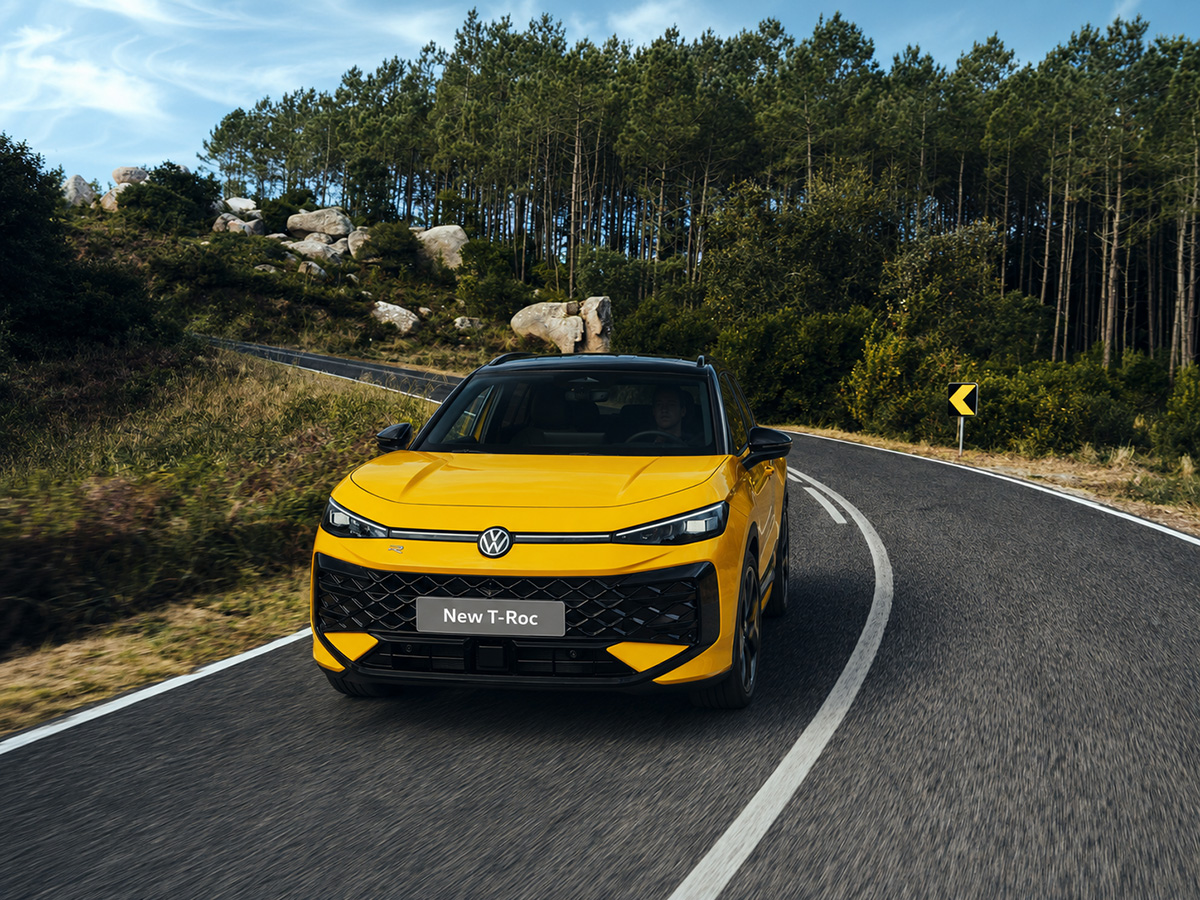
VOLKSWAGEN T-ROC
Rocking the Establishment with More Affordable T-Roc
Volkswagen South Africa has confirmed that the all-new second-generation T-Roc will arrive locally in October, bringing fresh styling, more technology and, perhaps most surprisingly, lower pricing than the outgoing model.
In a market where new-generation vehicles almost always cost more, the newcomer bucks the trend. Prices start at R599,900 for the T-Roc 1.4 TSI Life, rising to R689,900 for the R-Line and R709,900 for the flagship R-Line Black Style.
Sitting between the Taigo and Tiguan in Volkswagen’s SUV line-up, the new T-Roc is 122 mm longer than before, with a stretched wheelbase promising improved interior space. It also adopts a sharper, more mature design, highlighted by illuminated Volkswagen badges, full-width LED light bars and a more muscular stance.
The cabin has received an equally comprehensive overhaul, featuring a cleaner dashboard design, a digital instrument cluster and a new-generation infotainment system measuring up to 12.9 inches on higher derivatives. Ambient lighting, wireless smartphone connectivity and a redesigned Drive Experience Dial further modernise the interior.
The entry-level Life comes generously equipped with LED headlights, 16″ alloy wheels, Park Assist, a rear-view camera and a 10.3″ infotainment system. Stepping up to the R-Line adds IQ.Light Matrix LED headlights, 18″ alloy wheels, sports seats and a more dynamic appearance, while the R-Line Black Style distinguishes itself with black exterior detailing, 19″ alloy wheels and an even more premium cabin treatment.
Power comes from Volkswagen’s familiar 1.4-litre turbocharged petrol engine, producing 110 kW and 250 Nm, paired exclusively with an eight-speed Tiptronic automatic transmission.
With a more sophisticated design, a thoroughly modernised interior and a comprehensive list of technology, the new T-Roc looks well positioned to continue the model’s success story in South Africa. The fact that it arrives at a lower price than its predecessor may well prove to be its biggest selling point.
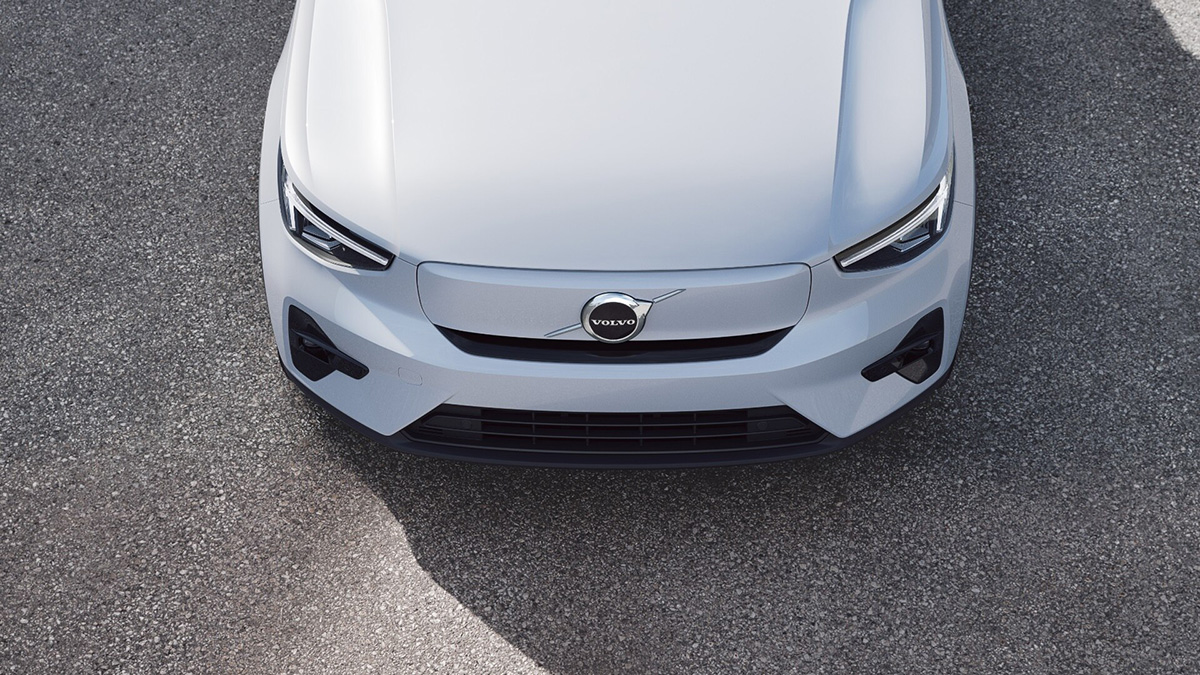
VOLVO’S ELECTRIC LEAP OF FAITH
When Volvo introduced the XC40 Recharge Pure Electric to South Africa in 2021, it arrived at almost the worst possible moment for an electric car.
The country was in the grip of an electricity crisis, enduring 200 days of loadshedding that year. Against that backdrop, asking South Africans to trust an EV might have seemed optimistic. Yet Volvo went ahead, selling 49 XC40 Recharge models in its first year.
Five years on, that decision looks considerably more prescient.
The XC40 Recharge was more than Volvo’s first fully electric model in South Africa. It was a technological statement. It introduced Android Automotive, with Google Maps and Google Assistant integrated directly into the car, while over-the-air updates meant the vehicle could evolve after leaving the showroom.
Its electric powertrain offered more than 400km of real-world range, while regenerative braking helped recover energy during deceleration. Fast charging could take the battery to 80% in around 40 minutes.
Technology has moved rapidly since. Volvo’s latest EVs, including the ES90, use an 800-volt architecture capable of adding around 300 km of range in just 10 minutes at a 350 kW charger.
But perhaps the clearest evidence that Volvo’s early gamble paid off came with its second electric XC40. When the single-motor P6 Recharge went on sale on 26 July this year, all 25 cars in its initial allocation sold out within just 24 hours.
That is quite a journey from 49 cars in an entire year, and what once looked like a gamble now increasingly looks like foresight.
Report by WILHELM LOOTS

