



Even Ferrari has finally bowed to the inevitable. The Italian marque that built its reputation on naturally aspirated V12s and spine-tingling exhaust notes has introduced its first electric vehicle. Love them or loathe them, EVs are no longer a niche proposition, but are rapidly becoming a cornerstone of the automotive industry, driven by advances in battery technology, charging infrastructure and, perhaps most importantly, electric motor design.
While the spotlight often falls on battery capacity and charging speeds, some of the most significant breakthroughs are happening beneath the skin. During our recent visit to GAC’s headquarters in China, we gained insight into the company’s latest Quark Electric Drive 2.0 technology, which aims to push efficiency to new heights.
At its core, the electric motor remains remarkably unchanged, based on the basic principles established nearly 200 years ago. There is still a stator, a rotor and the simple concept of alternating magnetic fields that cause the rotor to spin. In a previous article, we explored the axial flux motor, a design that positions its magnetic field parallel to the driveshaft. The result is a more compact, lighter, and energy-dense package compared with conventional radial-flux motors.
The latest leap forward from GAC takes a different approach. Rather than reinventing the shape of the motor, the company has focused on the materials used inside it. The result is what it calls an Amorphous Alloy Drive, a technology that forms part of the broader Quark Electric Drive 2.0 system.
The world of advanced engineering is filled with exotic materials capable of solving real-world problems. The challenge has always been manufacturing them at scale while keeping costs under control. GAC believes it has found a solution.
Its amorphous alloy is produced by rapidly cooling molten metal. This process prevents the material’s atoms from arranging themselves into a conventional crystalline structure, leaving them in a disordered state. The resulting material is then sliced into sheets measuring just 0.02 mm thick and used within the motor’s stator and rotor assemblies.
Why is this important? Traditional electric motors lose energy through heat and magnetic resistance during operation. By reducing these losses, the amorphous alloy material dramatically improves efficiency. According to GAC, the motor achieves up to 99% efficiency, reducing energy waste and allowing more of the battery’s stored power to be converted into forward motion.
The benefits extend beyond efficiency alone. Lower operating temperatures can improve long-term durability, while reduced energy losses may increase driving range. Combined with the Quark Electric Drive 2.0 system’s highly integrated design, which packages the motor, power electronics and associated systems into a more compact unit, the technology represents a significant step forward in EV development.
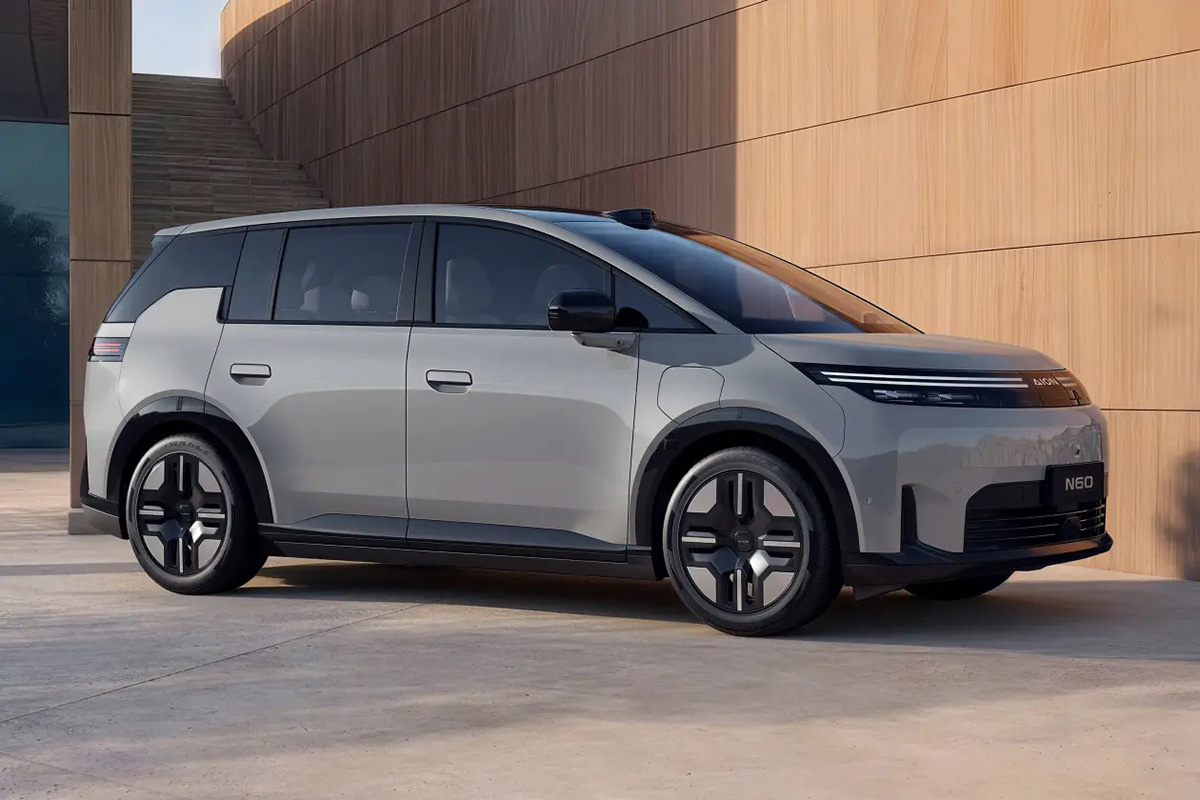
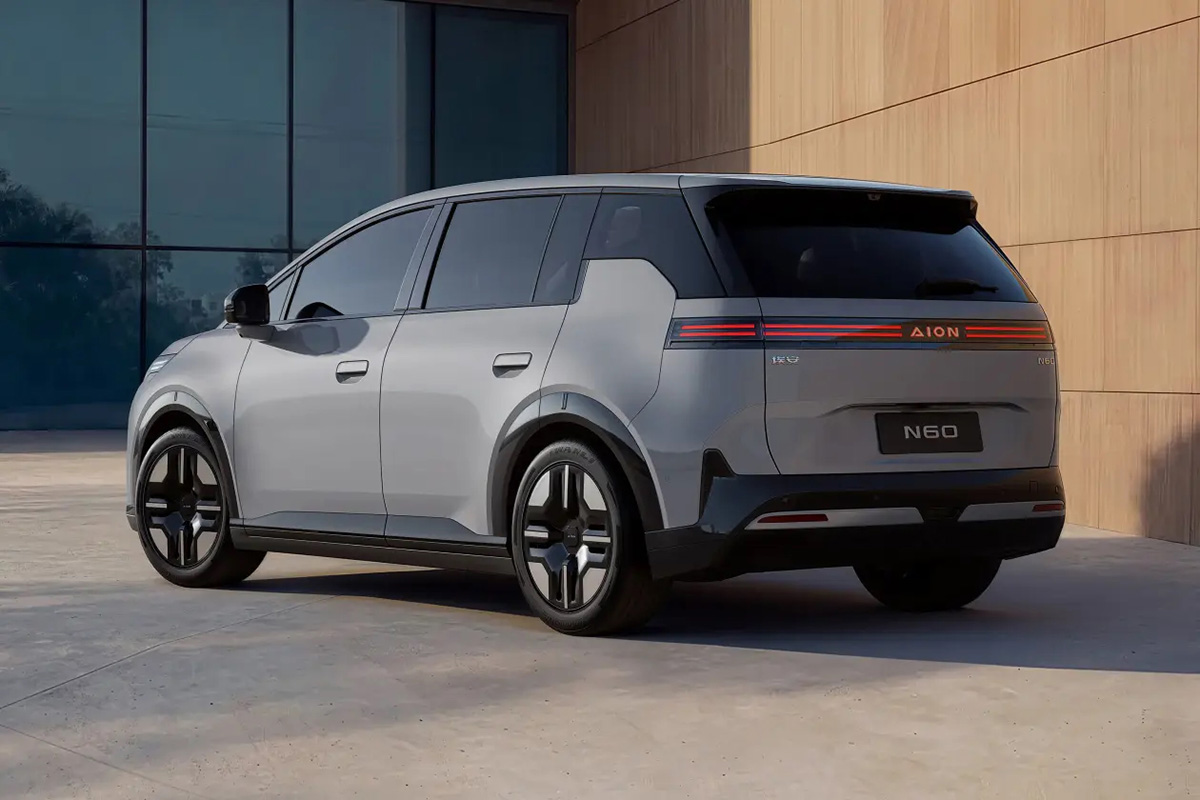
The first mass-produced vehicle expected to utilise this technology will be the Aion N60, giving consumers an early glimpse of what could become a new benchmark for electric drivetrains.
LAST WORD
Whether you are already convinced by EVs or remain sceptical, one thing is clear. The technology is evolving at a remarkable pace, and developments such as GAC’s Quark Electric Drive 2.0 suggest that the next generation of electric vehicles may be far more impressive than many people expect.
Report by RUBEN VON STEEN | Images © GAC MOTORS

