



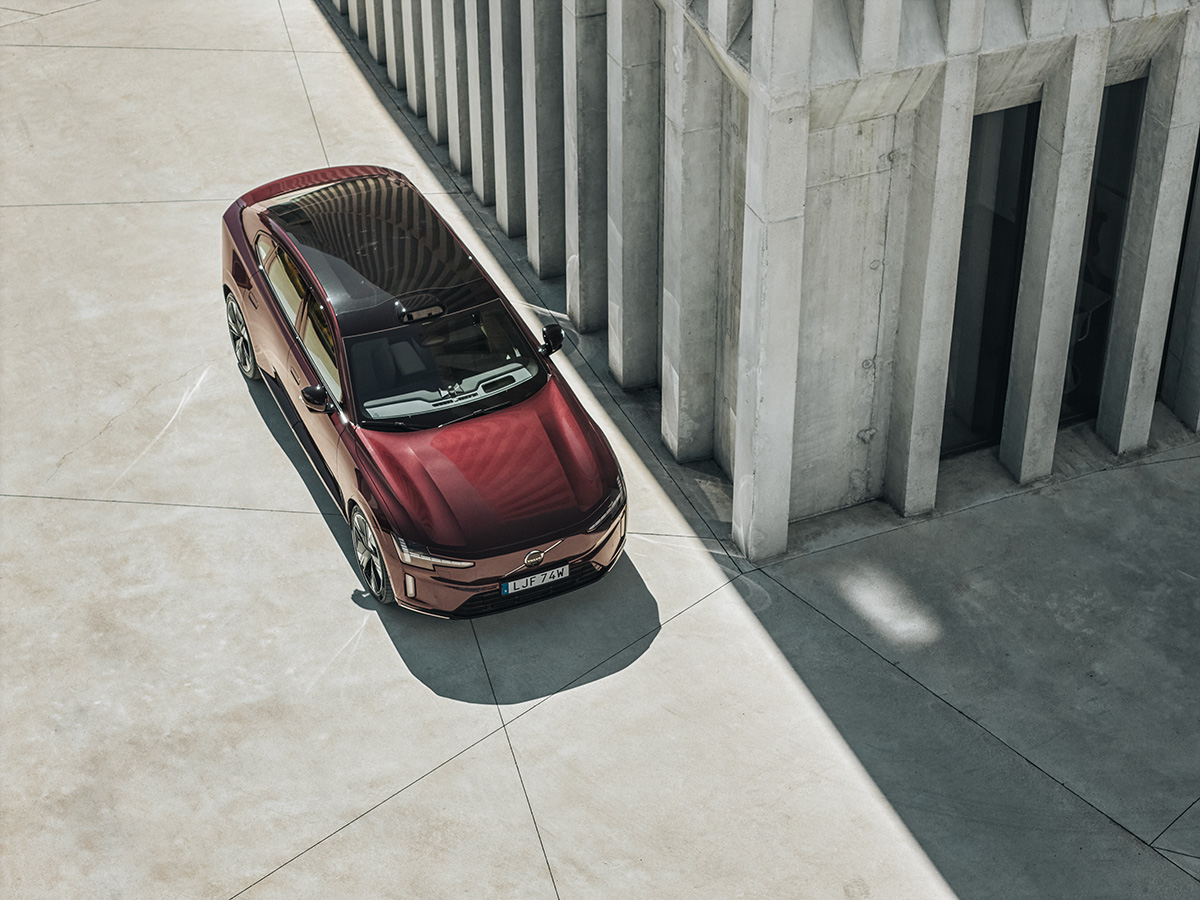
There is a shift happening in the automotive space, and the Volvo ES90 captures it rather neatly. Not through dramatic styling or outright performance, but through something far less obvious and far more important.
At the centre of it all sits a new computing architecture powered by dual NVIDIA DRIVE AGX Orin chips. It sounds technical, perhaps even abstract, yet its impact is immediate. Instead of a collection of separate control units managing different functions, the ES90 operates through a central brain. Everything is connected, everything speaks the same language.
That changes the experience in ways that are not always visible, but consistently noticeable. Systems feel more cohesive, responses more natural. There is less of that underlying sense that various components are working independently of one another.
A PLATFORM THAT EVOLVES
The ES90 is not defined by a single headline feature. Yes, it offers strong range figures, rapid charging capability, and a clean, intuitive cabin. Those are expected at this level. What sets it apart is its ability to develop over time.
Over the air updates are nothing new, yet here they carry more weight. With the computing power available, Volvo can refine and expand key systems long after the car has left the showroom floor. Safety functions can improve, energy management can become more efficient, and overall behaviour can be adjusted with a level of depth that was not previously possible.
This ties directly into the brand’s long standing focus on safety. The ES90’s array of sensors, including lidar, feeds a constant stream of data into that central system. The car is not simply reacting to situations, it is interpreting them with greater clarity. There is a sense of anticipation in the way it operates, rather than pure reaction.
On the road, that translates into a more seamless experience. Power delivery is smooth, transitions between systems feel natural, and there is a consistency to the way the car behaves. It removes the slightly disjointed character that can still surface in some modern vehicles.
What makes this approach particularly interesting is how quietly it is presented. There are no exaggerated claims or unnecessary theatrics, Yet the implication is clear. The ES90 is not a static product, it is a foundation, and seen in that light, the most advanced aspect of the ES90 is the intelligence that underpins it. Once that clicks, everything else starts to feel like a byproduct of a much bigger idea.
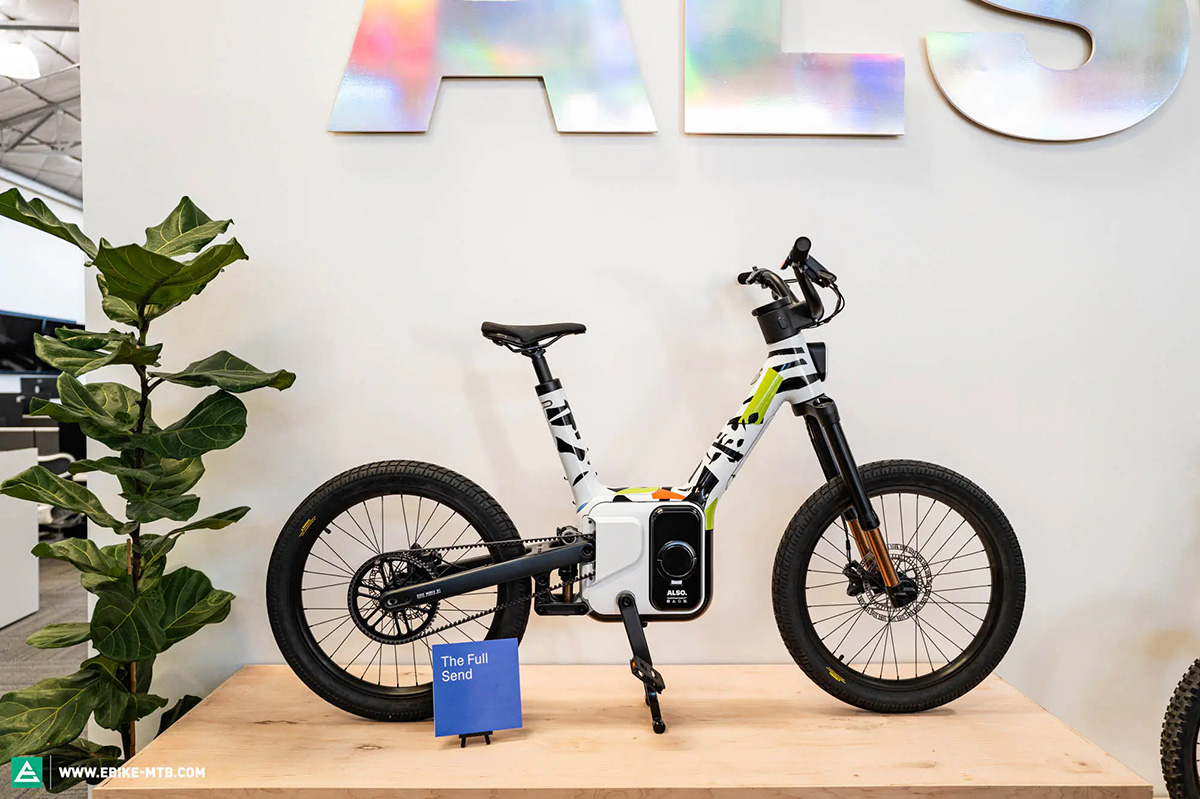
ONE ELECTRIC BIKE, MULTIPLE PERSONALITIES
ALSO TM-B
Image © ALSO
Generated from minds that worked for RIVIAN and Specialized, it’s powerful, elegant, and above all, it thinks ahead. Take the humble bicycle, the idea from 1817 isn’t far off from the one in 2026; there are still some pedals, two wheels, one seat and a handlebar with a frame holding everything together. Now just add a 180 Nm pedal-by-wire motor, regenerative braking and a top-to-bottom ‘thinking’ bicycle, and you have the ALSO TM-B, an “e-bike for everything and everyone”. The TM-B is a modular frame e-bike. Meaning one single TM-B can be many different bikes, going from a downhill mountain biking monster to a toddler carrier in a few seconds. The ALSO TM-b’s pedal-by-wire motor is powered by 808 Wh of battery power and your legs, sort of. Pedal-by-wire simply means there is no mechanical connection between the pedals and the motor driving the rear wheel. Instead, depending on how firmly you push the pedals, your input is digitised, the software compares it to the motor’s output and what gradient you’re on, delivering power either through a CVT gearbox-like feel with the twist of a throttle, or when in manual mode, where you have ten full gears at your disposal, complete with gear changing ‘clicks’ and a nudge through the pedals, it mimics a mechanical drivetrain perfectl. Power gets delivered to the rear wheel. It accelerates with a traffic matching 0.3g, topping out at 45 km/h and has a full suspension setup.
Report by RUBEN VON STEEN

